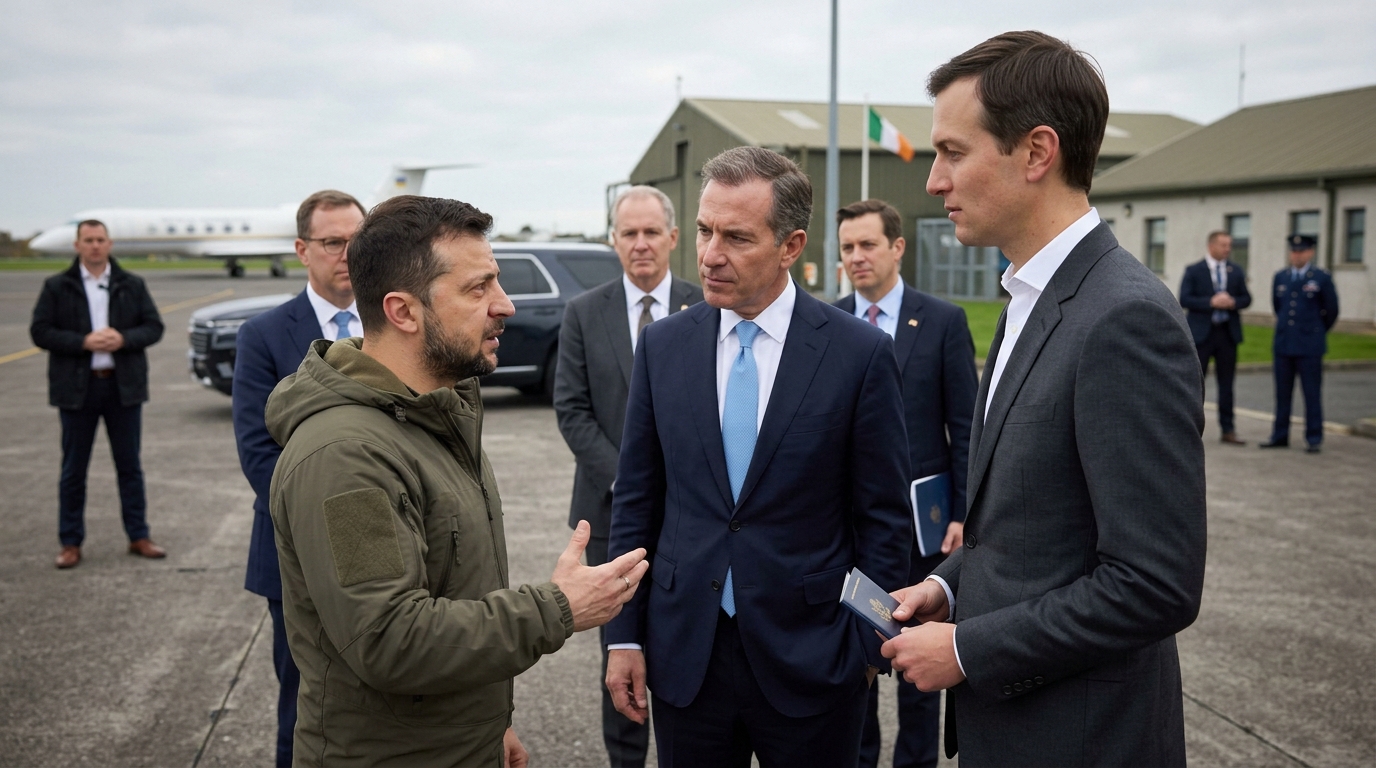
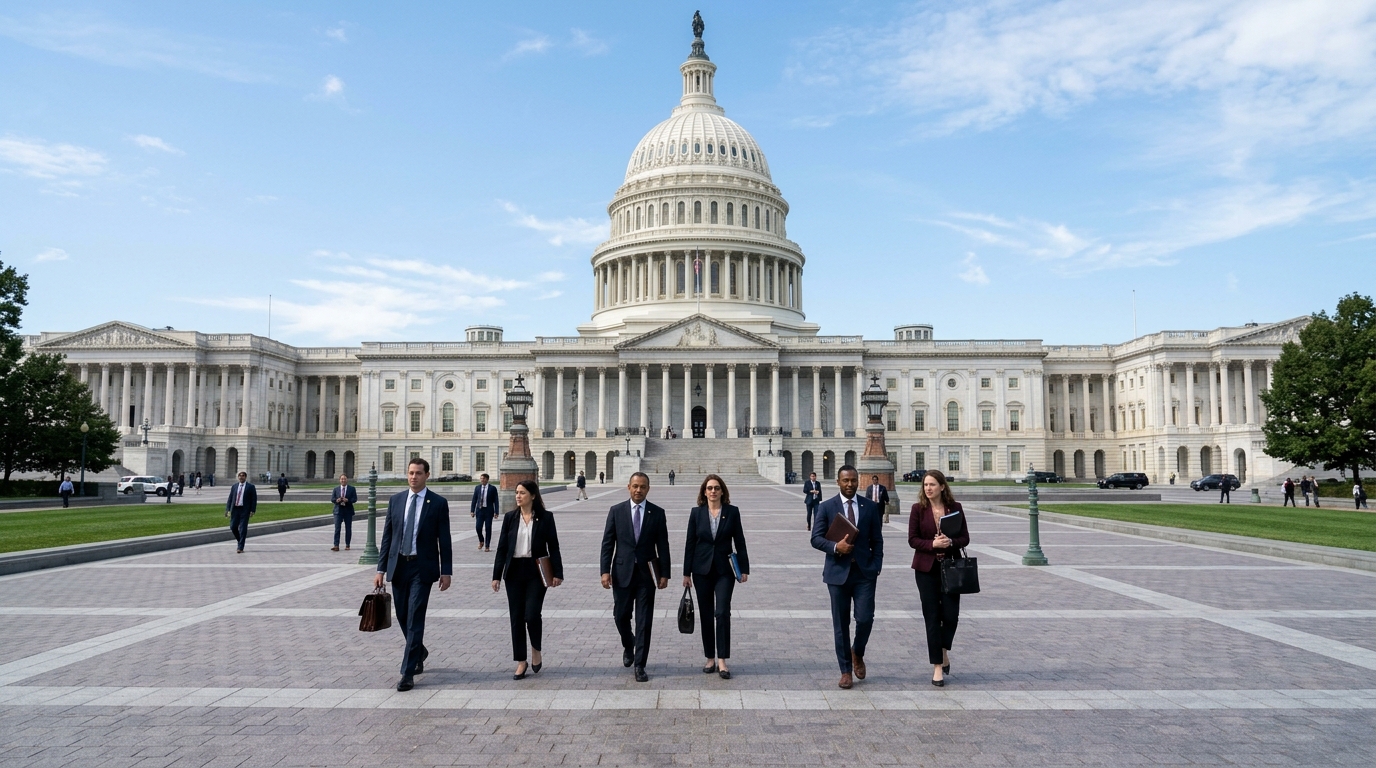
Nvidia Leadership Crisis Sparks US Congressional Scrutiny Over China Security Concerns
Nvidia is facing a major political and leadership crisis after Jensen Huang stepped down as CEO amid allegations involving a Chinese businesswoman suspected by US authorities of intelligence links. The controversy has prompted congressional scrutiny, renewed calls for tougher AI chip export restrictions and wider questions about America's ability to protect sensitive technology amid its competition with China.
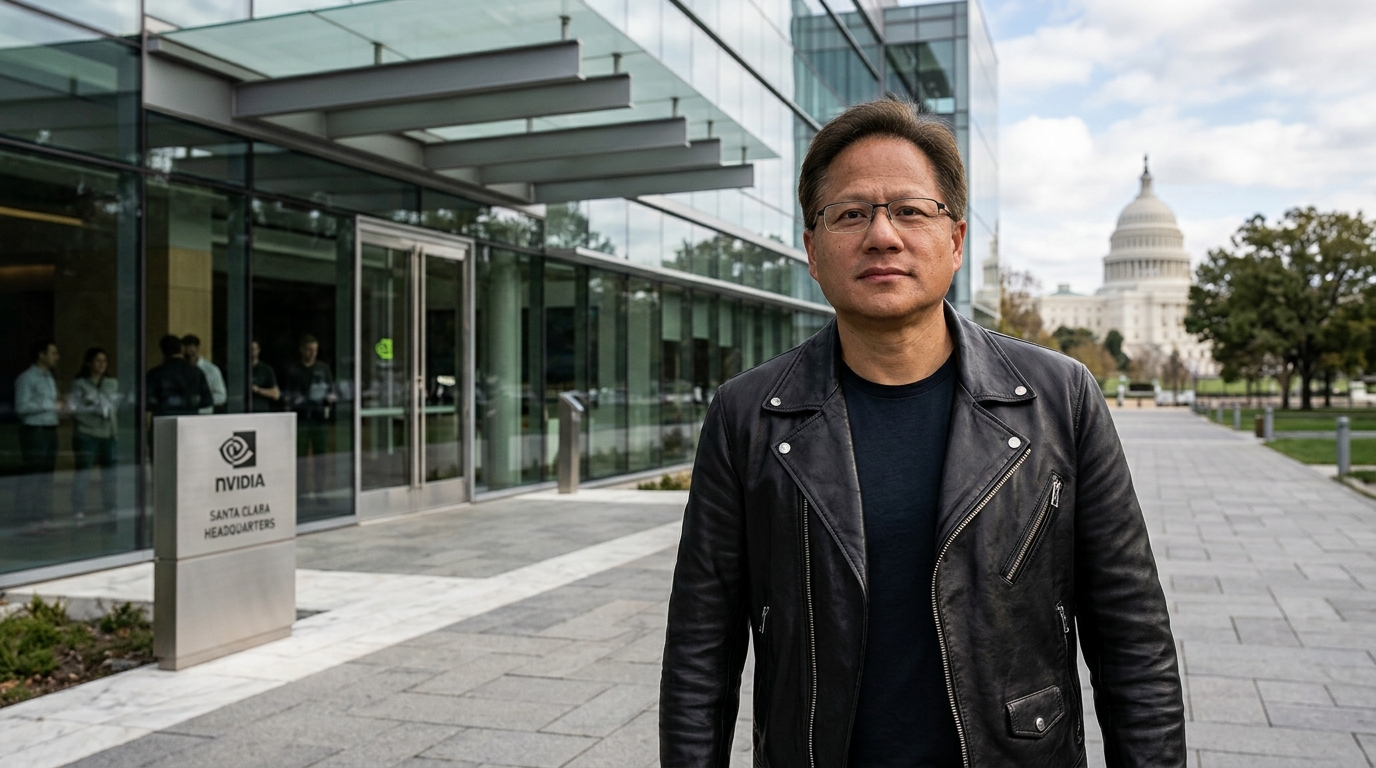
Nvidia has become the centre of an escalating political and national-security controversy in the United States following allegations involving its former chief executive, Jensen Huang, and a Chinese businesswoman suspected by US authorities of having links to Chinese intelligence.
The controversy has raised questions about the security of sensitive technology, the enforcement of American export restrictions and the growing influence of the semiconductor industry in the wider competition between Washington and Beijing.
The situation has also taken an unexpected turn. Huang stepped down as Nvidia's chief executive on November 12, 2026, following days of intense scrutiny. The company's chief financial officer, Colette Kress, has taken over as interim CEO while Nvidia considers a permanent successor.
How the Controversy Began
The allegations centre on Alice Huang, a former executive of Singapore-based Megaspeed, a company that has faced scrutiny from US authorities over suspected assistance in obtaining advanced Nvidia chips restricted for export to China.
Reports have alleged that Alice Huang maintained a close relationship with Jensen Huang and passed information to Beijing. US authorities reportedly suspected her of having links to Chinese intelligence.
The allegations became particularly sensitive because of Megaspeed's business relationship with Nvidia and the wider restrictions Washington has placed on advanced semiconductor technology.
However, important questions remain unanswered. The US Department of Justice has not reached a conclusion on whether Alice Huang was acting as a Chinese intelligence operative. China has also rejected the allegations, describing them as unsubstantiated.
Nvidia has said it has no reason to believe that national security information or company secrets were compromised. The company's board had previously launched an independent investigation into whether Huang was targeted by a foreign intelligence operation.
US Lawmakers Demand Answers
The controversy quickly attracted attention in Washington.
Republican lawmakers in the House of Representatives called on Huang to provide a closed-door briefing about the allegations and Nvidia's security procedures. The lawmakers said they wanted to understand whether foreign intelligence activities could have exposed sensitive American technology or information.
The pressure has also extended beyond Republicans. Democratic lawmakers have called for further explanations and a more detailed examination of the national-security implications.
House Democratic Leader Hakeem Jeffries said Congress needed more information about the situation. Senior Democratic senators Elizabeth Warren and Chris Coons also urged the administration to preserve records relating to Nvidia's chip exports to China.
The congressional interest reflects a broader concern: whether existing safeguards are sufficient to prevent advanced American technology from reaching restricted entities through international business relationships and overseas computing infrastructure.
Why Nvidia's China Business Matters
Nvidia occupies a central position in the global artificial intelligence industry. Its graphics processing units and specialised AI accelerators are widely used to train and operate advanced AI models.
That makes the company strategically important to the United States and China, both of which are competing to develop more powerful artificial intelligence systems.
Washington has introduced export restrictions to limit China's access to some of the most advanced American semiconductor technology. US policymakers argue that unrestricted access could strengthen China's military and technological capabilities.
Nvidia, however, has long sought to maintain access to the Chinese market, arguing that American companies should remain competitive internationally.
This difference has created a difficult policy debate. Restricting exports could limit China's access to important technology, but it could also reduce revenue for American semiconductor companies and create opportunities for competitors.
The latest controversy has given lawmakers renewed reasons to question whether the existing export-control framework is working as intended.
Huang's Departure Raises New Questions
Huang's resignation marks a significant moment for Nvidia.
He co-founded the company more than three decades ago and led its transformation from a graphics-chip manufacturer into one of the most influential businesses in the artificial intelligence industry.
His departure creates an immediate leadership challenge for a company whose identity, strategic direction and relationships across the technology sector have been closely associated with him.
Colette Kress is now serving as interim chief executive while the board considers potential permanent successors. Huang is also leaving Nvidia's board.
The leadership transition comes at a sensitive time. Nvidia remains deeply involved in the infrastructure supporting the global AI boom, with its products used by major technology companies, cloud providers and research organisations.
Investors will be watching whether the company can maintain its product roadmap, customer relationships and market position during the transition.
Could the Crisis Change US Technology Policy?
The political consequences may extend well beyond Nvidia.
Lawmakers from both parties have renewed calls for stronger restrictions on advanced chip exports to China. Proposals under discussion include more extensive tracking of exported AI chips, tighter restrictions on semiconductor manufacturing equipment and measures addressing access to Nvidia-powered computing through overseas data centres.
One proposal attracting attention is the Remote Access Security Act, which would give the Commerce Department additional tools to restrict certain overseas access arrangements involving advanced computing infrastructure.
These discussions could affect more than Nvidia. Other American technology companies involved in AI infrastructure, cloud computing and semiconductor production may also face changes in the regulatory environment.
For the US government, the challenge is balancing national security with the commercial interests of an industry that has become central to American economic competitiveness.
What Happens Next?
Several important questions remain unresolved.
Investigators still need to establish whether the alleged intelligence operation took place, whether any sensitive information was obtained and whether Nvidia's business relationships or export procedures were compromised.
Congressional scrutiny is also expected to continue, with lawmakers seeking further explanations from the company and government officials.
For Nvidia, the immediate priority will be maintaining confidence among customers, investors and policymakers while navigating its leadership transition.
The wider issue is even more significant. Artificial intelligence has turned advanced semiconductors into strategic assets, placing technology companies at the centre of international security and economic competition.
Nvidia's current crisis demonstrates how decisions made inside a private technology company can quickly become matters of national policy. As the United States and China continue competing for influence in artificial intelligence, the pressure on semiconductor companies to protect their technology and navigate political expectations is likely to grow.
US-Russia Talks on Ukraine: Can New Diplomatic Efforts Bring the War Closer to an End?
Next Dispatch →Wave of False Bomb Threats Disrupts European Flights, Raising Aviation Security Concerns
Discussion (0)
Technical commentaryLeave a Reply
No comments yet. Be the first to share your thoughts!