After the 2026 US Midterm Elections: The Growing Battle Over Congressional Investigations and Presidential Power
The 2026 US midterm elections have shifted political power in Washington, with Democrats winning control of both chambers of Congress. As the new Congress prepares to take office in January 2027, lawmakers are planning investigations into the Trump administration's policies and use of executive power. Republicans are preparing to challenge these efforts, setting the stage for possible political confrontations and legislative gridlock over the next two years.
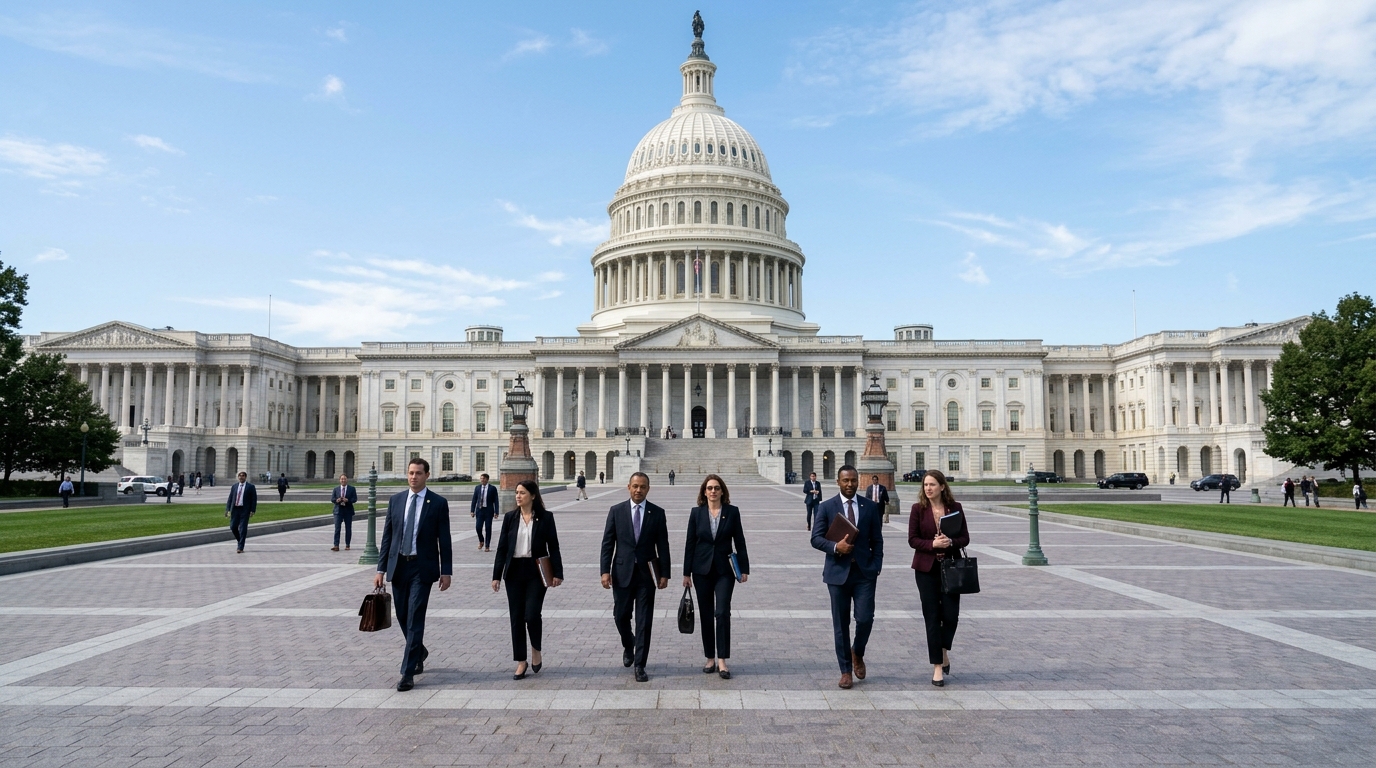
The 2026 United States midterm elections have changed the political balance in Washington. With Democrats winning control of both the House of Representatives and the Senate, President Donald Trump is preparing to face a Congress controlled by the opposing party for the remainder of his term.
The election results have opened a new chapter in American politics. While the campaign focused heavily on the cost of living, the economy and the administration's policies, attention has quickly shifted towards congressional investigations, government oversight and the limits of presidential power.
As the new Congress prepares to take office in January 2027, both political parties are positioning themselves for what could become an extended confrontation.
Democrats Prepare to Investigate the Trump Administration
One of the most immediate consequences of the midterm results is the possibility of more aggressive congressional oversight of the Trump administration.
Democratic lawmakers have outlined several areas they intend to investigate, including the administration's handling of the war with Iran, immigration enforcement policies and the management of American intelligence agencies.
Some lawmakers have also discussed possible impeachment proceedings involving Defense Secretary Pete Hegseth and Health and Human Services Secretary Robert F. Kennedy Jr.
These discussions do not mean that impeachment proceedings have been formally completed or that the officials have been found guilty of wrongdoing. They indicate the direction some Democratic lawmakers want congressional oversight to take.
Other potential investigations concern government spending, the treatment of federal employees, business relationships involving people close to the president and questions surrounding the use of presidential authority.
The incoming Democratic majority is expected to use congressional hearings, document requests and subpoenas as part of its oversight responsibilities.
Why Congressional Control Matters
The United States Congress has two chambers: the House of Representatives and the Senate. Both play important roles in making laws, approving government spending and overseeing the executive branch.
When the president's party controls Congress, advancing legislation can be more straightforward, although disagreements can still occur within the party.
A Congress controlled by the opposition creates a different political environment.
Democrats will have greater authority to organise committee investigations, hold hearings, request documents and scrutinise decisions made by federal agencies. The Senate majority will also have significant influence over the confirmation of presidential nominees.
However, congressional control does not give lawmakers unlimited authority.
The president retains executive powers, including the ability to veto legislation. Overriding a presidential veto generally requires a two-thirds majority in both chambers. The courts may also become involved when disputes arise over congressional subpoenas, executive privilege or the limits of government authority.
This means that the next two years could involve not only political disagreements but also legal disputes over the constitutional responsibilities of different branches of government.
Republicans Are Preparing to Resist Democratic Oversight
Republican lawmakers are also reorganising their leadership as they prepare to become the minority party in Congress.
President Trump has appointed Stephen Miller as his new White House chief of staff. In the House, Republicans have selected Representative Jim Jordan as their next leader, while Senate Republicans have re-elected John Thune as their leader.
These developments offer an indication of how Republicans intend to approach the coming period.
Some Republican lawmakers have argued that Democratic investigations could become politically motivated attempts to weaken the administration. The White House has also warned that some investigations could cross legal boundaries.
Democratic lawmakers, on the other hand, maintain that congressional oversight is necessary to examine government decisions and hold public officials accountable.
The disagreement reflects a wider debate about how Congress should exercise its constitutional responsibilities when the president belongs to the opposing party.
The Risk of Political Gridlock
A major concern surrounding the new political arrangement is the possibility of legislative gridlock.
Congress must still deal with important national issues, including government funding, healthcare, immigration, taxation, infrastructure and foreign policy.
If both parties become heavily focused on investigations and political confrontation, reaching agreements on these issues could become more difficult.
However, divided government does not automatically mean that all legislative work will stop. Lawmakers from both parties can still negotiate and pass legislation when they find common ground.
The challenge will be balancing oversight with the practical responsibility of governing.
For ordinary Americans, the outcome matters because political disagreements in Washington can affect decisions about public spending, economic policy, government services and the country's international relationships.
The 2028 Presidential Election Is Already Part of the Conversation
Although the next US presidential election is scheduled for 2028, political discussions about the future of both parties have already begun.
The midterm results are likely to influence how Democrats and Republicans approach their leadership, policy priorities and public messaging.
Within the Democratic Party, there are different views about how to respond to the election victory. Some lawmakers favour an aggressive approach to investigating the administration, while others are also emphasising economic issues and the need to appeal to a wider range of voters.
Republicans are similarly debating what the results mean for their political direction and how they should respond to voters' concerns.
The coming congressional session will therefore be important beyond its immediate legislative responsibilities. It will also help shape the political environment leading towards the next presidential election.
What Happens Next?
The newly elected members of Congress are expected to take office in January 2027. Until then, the existing Congress remains responsible for its legislative duties.
Once the new majority is formally in place, committee leadership and investigative priorities are expected to change. The first major tests will likely involve congressional hearings, requests for information and negotiations over legislation.
Whether these developments lead to meaningful accountability, prolonged political disputes or a combination of both remains to be seen.
The central issue is not simply which party controls Congress. It is how that power will be exercised, how the administration responds and whether lawmakers can maintain the balance between holding government accountable and addressing the needs of the public.
For the United States, the 2026 midterm elections have created a new political landscape. The next two years will show how effectively its institutions manage the tensions that come with divided government.
African Cuisine Is Going Global: Why Pan-African Food Could Be the Next Big Restaurant Trend
Next Dispatch →US-Russia Talks on Ukraine: Can New Diplomatic Efforts Bring the War Closer to an End?
Discussion (0)
Technical commentaryLeave a Reply
No comments yet. Be the first to share your thoughts!