African Cuisine Is Going Global: Why Pan-African Food Could Be the Next Big Restaurant Trend
African cuisine is attracting growing attention from international restaurants, food brands and industry analysts. From Nigerian suya and jollof rice to West African spices and traditional ingredients, discover why African food could have a bigger place on the global dining scene and what this opportunity means for African food entrepreneurs.
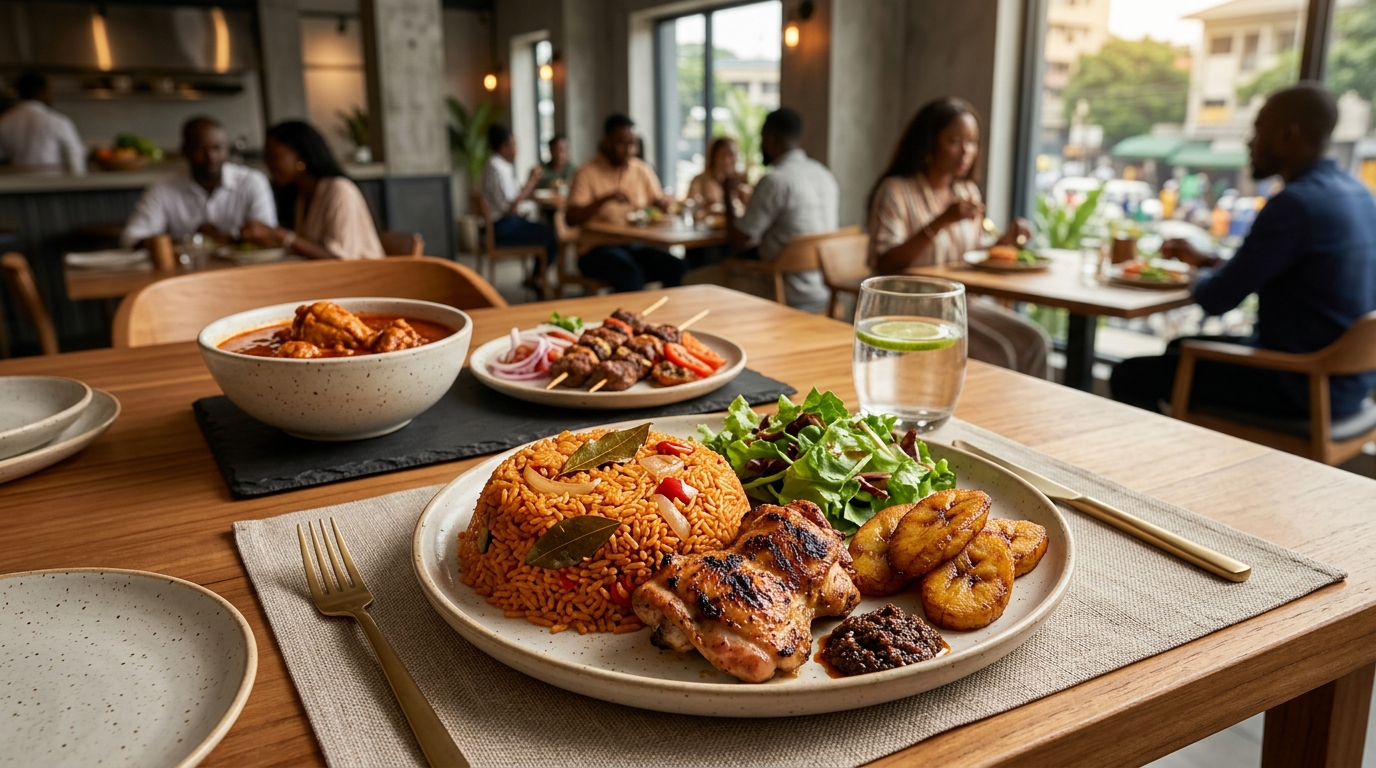
African food has never lacked flavour, variety or culinary history. From Nigerian jollof rice and Senegalese thieboudienne to Ethiopian injera, Ghanaian waakye and South African bobotie, the continent has an extraordinary range of dishes and cooking traditions.
What is changing is the attention these cuisines are receiving beyond their places of origin.
International food businesses, restaurant analysts and culinary publications are increasingly highlighting African flavours as an opportunity for menu innovation. West African ingredients are appearing in new food products, African-inspired dishes are finding audiences abroad, and chefs are exploring ways to present regional cooking traditions to diners unfamiliar with them.
The movement is not simply about introducing more African dishes to international menus. It is also about giving the continent's food cultures greater visibility, recognition and commercial opportunity.
Why African Cuisine Is Getting More International Attention
One reason is the growing appetite for food experiences that go beyond familiar international restaurant categories.
Diners are exploring regional cuisines, distinctive ingredients and dishes with cultural stories behind them. This has created opportunities for food traditions that have historically received less international attention.
In its March 2026 analysis, market research company Mintel examined whether West African cuisine could become the next major food trend. It highlighted growing interest in flavours from countries such as Nigeria, Ghana and Senegal across food, drink, health and beauty categories.
Mintel also identified foodservice as an important area where this interest is developing, particularly through independent restaurants, street-food markets, pop-ups and fast-casual dining concepts.
This is significant because international recognition often begins with smaller food businesses introducing unfamiliar ingredients and dishes to new audiences.
The Restaurant Industry Is Taking Notice
African cuisine is also appearing in professional foodservice trend forecasts.
Technomic's 2026 Global Foodservice Trend Predictions identified Pan-African positioning as an emerging direction for fast-casual and casual-dining restaurants, particularly in Europe and North America.
The forecast points towards restaurants developing concepts that draw inspiration from different African food cultures rather than focusing on only one familiar dish or national cuisine.
The National Restaurant Association Show also highlighted Pan-African concepts among the global influences shaping restaurant menus in 2026. Its food and beverage trend report discussed how operators are exploring more diverse regional flavours and adapting international ingredients for new audiences.
These forecasts do not mean that African restaurants have suddenly become dominant in international markets. They do show that industry observers see commercial potential in a wider range of African culinary influences.
African Dishes Are Finding New Audiences
The growing attention is visible in the international restaurant scene.
In the United Kingdom, Nigerian-born chef Adejoké Bakare has helped bring West African cooking to a wider audience through Chishuru, her London restaurant. The restaurant received a Michelin star in 2024, making Bakare the first Black woman in the UK to receive one.
Another example is Akoko, a London restaurant whose menu draws on West African ingredients and culinary traditions.
In the United States, Teranga in New York has introduced diners to West African-inspired food through a modern, accessible restaurant format.
These examples demonstrate different ways African food can reach international customers. Some restaurants focus on refined dining, while others make regional dishes more accessible through everyday meals and fast-casual formats.
The important point is that African cuisine does not need to be reduced to one restaurant style. Its diversity is part of its appeal.
West African Flavours Are Creating New Product Opportunities
Beyond restaurants, food manufacturers are also exploring African ingredients and flavour combinations.
Mintel's 2026 analysis highlights interest in West African flavours and the possibility of incorporating them into new food and drink products.
Some ingredients with potential for wider applications include:
- Suya spice: A distinctive West African seasoning commonly associated with grilled meat and street food.
- Yaji: A spice blend used in several West African food traditions, particularly in grilled preparations.
- Hibiscus: Used in drinks such as Nigerian zobo and Senegalese bissap.
- Tamarind: A tangy ingredient used in drinks, sauces and other preparations.
- Peanuts and groundnuts: Important ingredients in dishes such as West African peanut stew.
- Grains and legumes: Ingredients such as millet, sorghum, fonio and black-eyed peas offer opportunities for different food products.
These ingredients can be used in sauces, marinades, snacks, beverages, packaged foods and restaurant dishes.
However, introducing an ingredient internationally requires more than putting an unfamiliar name on a package. Food businesses need to understand its traditional uses, flavour profile, sourcing and the expectations of the customers they want to reach.
African Street Food Could Play a Bigger Role
Street food is one of the most accessible ways for people to experience a cuisine they may not know well.
Across Africa, street vendors and small food businesses have long served dishes that combine affordability, convenience and strong local identity.
Nigeria's suya, akara and roasted plantain, Ghana's kelewele and waakye, and Senegal's popular grilled and rice-based dishes are examples of foods with potential to introduce international audiences to regional flavours.
The fast-casual restaurant format could help bring some of these experiences to new markets.
For instance, a business might serve suya-inspired wraps, jollof rice bowls, grilled plantain combinations or West African peanut-based dishes in convenient portions.
The challenge is maintaining the identity of the original food while adapting preparation, ingredients and presentation to the expectations of a new market.
Why This Matters for Nigerian Food Entrepreneurs
The international interest in African cuisine presents opportunities for Nigerian chefs, restaurant owners, food manufacturers and independent entrepreneurs.
Nigeria already has a strong culinary identity, with dishes and ingredients that can be developed into different business formats.
Some opportunities worth exploring include:
Modern Nigerian restaurants: Restaurants can introduce regional Nigerian dishes through contemporary menus while preserving their original flavours and cultural context.
Packaged sauces and seasonings: Products based on suya spice, pepper blends, stew bases and other familiar ingredients could reach customers at home and abroad.
Ready-to-eat meals: Convenient versions of familiar dishes could serve busy customers who want traditional flavours without preparing everything from scratch.
African-inspired snacks and drinks: Products using hibiscus, plantain, groundnuts and other regional ingredients could create opportunities in local and international markets.
Food tourism and culinary experiences: Cooking classes, tasting events and food tours can introduce visitors to the stories behind Nigerian dishes.
The opportunity is not limited to exporting food. Nigerian businesses can also serve local customers who want convenient, well-presented and consistently prepared versions of familiar meals.
The Importance of Authenticity
As African cuisine receives more international attention, authenticity becomes an important consideration.
The continent does not have one uniform cuisine. Its food traditions differ across countries, ethnic groups, climates and communities.
Jollof rice, for example, has different interpretations across West Africa. Ethiopian injera and South African bobotie belong to distinct culinary traditions with their own histories and preparation methods.
Calling every African dish the same thing can erase the differences that make these food cultures valuable.
Restaurants and food brands should therefore be specific about the ingredients, regional influences and traditions behind their products.
Innovation is welcome, but it should be approached with respect for the food being adapted and the communities that have preserved it.
There is also a commercial reason to get this right. Clear storytelling and accurate descriptions help customers understand what they are buying and give them a stronger connection to the experience.
Challenges African Food Businesses Must Overcome
Growing international interest does not automatically guarantee commercial success.
Food businesses looking to introduce African cuisine to new markets may face several challenges.
Ingredient sourcing: Some traditional ingredients may be difficult to obtain consistently outside their countries of origin.
Customer education: New customers may need clear explanations of unfamiliar dishes, flavours and preparation methods.
Pricing and accessibility: Import costs, supply chains and preparation requirements can make some products expensive.
Consistency: Restaurants need reliable recipes, ingredient quality and food preparation standards to build customer trust.
Brand positioning: Businesses must decide whether they are introducing a specific national cuisine, a regional food tradition or a broader Pan-African concept.
These challenges require investment in product development, sourcing, quality control and customer understanding.
They also create opportunities for African suppliers, distributors and food entrepreneurs to build stronger connections with international markets.
What the Future Could Look Like
The international food industry is becoming more open to regional flavours and less familiar culinary traditions. African cuisine has an opportunity to benefit from this shift, particularly as restaurants and manufacturers search for distinctive ingredients and dining experiences.
Technomic's 2026 forecast, Mintel's analysis of West African flavours and the growing visibility of African-inspired restaurants all point towards greater interest in the continent's food cultures.
Still, it is too early to describe this as a universal global food movement. Industry forecasts identify potential directions, while individual restaurants and market reports provide examples of interest in particular locations.
The next stage will depend on whether food businesses can turn that attention into lasting customer demand, sustainable sourcing and commercially successful products.
For African entrepreneurs, chefs and food creators, the opportunity is worth taking seriously.
African cuisine does not need to become something else to earn a place on the global table. Its greatest strength may be the diversity, history and flavour it already brings.
The Next Big Food Trends for 2027: Beans, Japanese Comfort Food and Beauty-Focused Ingredients
Next Dispatch →After the 2026 US Midterm Elections: The Growing Battle Over Congressional Investigations and Presidential Power
Discussion (0)
Technical commentaryLeave a Reply
No comments yet. Be the first to share your thoughts!