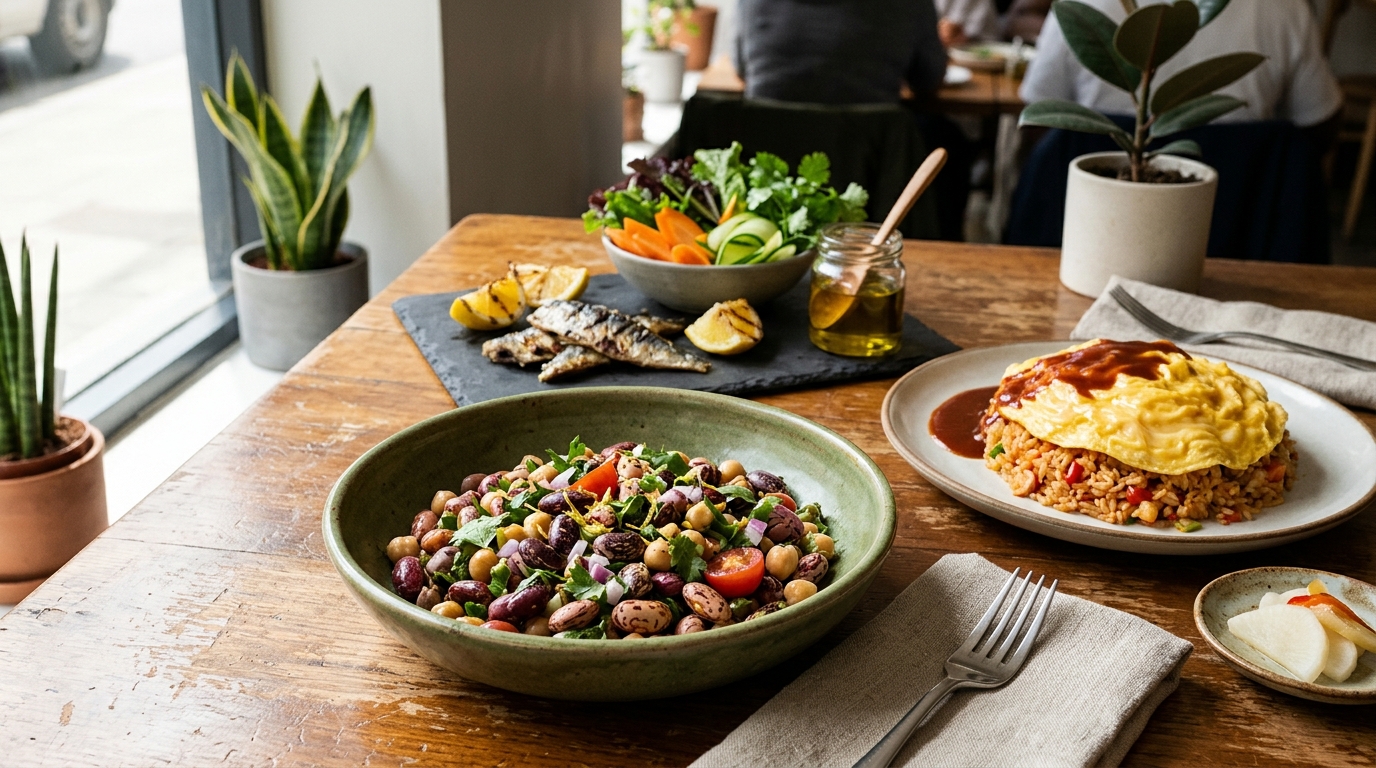
Why Protein-Rich Meals Are Becoming One of the Biggest Food Trends of 2026
Protein is moving beyond gym culture and becoming a major influence on everyday food choices. From chicken bowls and grilled fish to high-protein snacks and familiar traditional meals, discover why restaurants, food brands and consumers are embracing protein-rich eating in 2026.
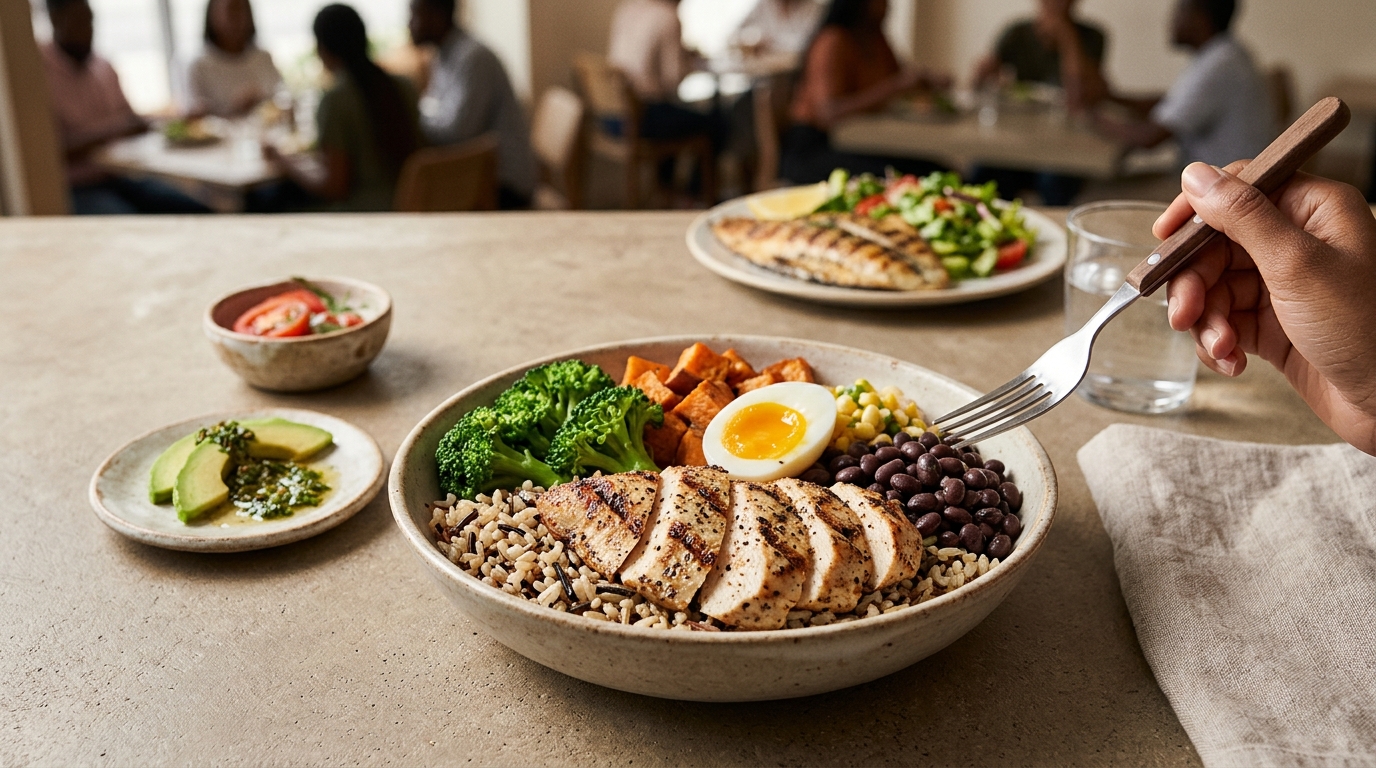
Protein has always been an important part of a balanced diet, but in 2026, it is becoming one of the biggest influences on what people choose to eat.
From chicken bowls and grilled beef to high-protein snacks, seafood dishes and protein-enriched drinks, the ingredient is appearing in more places than traditional fitness meals. Restaurants, food delivery platforms and food brands are responding to growing interest in meals that combine nutrition, convenience and flavour.
What was once strongly associated with bodybuilders and fitness enthusiasts is increasingly becoming part of everyday food culture.
And the latest food industry figures suggest that this shift is more than a passing social media trend.
Protein Is Moving Beyond the Fitness Industry
For a long time, high-protein eating was closely associated with gym routines, weight training and specialised nutrition products. Protein shakes, supplements and energy bars were among the most recognisable products in this category.
That perception is changing.
Consumers are increasingly looking for protein in familiar meals they can enjoy at home, order from restaurants or purchase while shopping. Chicken rice bowls, grilled fish, beef sandwiches, eggs, yoghurt and bean-based dishes are all part of this wider movement.
The appeal is straightforward. People want food that tastes good, keeps them satisfied and fits into their everyday routines.
Food businesses have recognised this opportunity. Instead of limiting high-protein choices to specialist health menus, many are incorporating protein-focused options into familiar dishes.
This is helping protein become less of a niche nutritional category and more of a mainstream food preference.
Deliveroo's 2026 Rankings Reveal the Scale of the Trend
One of the clearest illustrations of this shift comes from Deliveroo's annual Deliveroo 100 report, which examines trending orders across its international platform.
Its 2026 findings describe the year as one of protein-focused eating. Chicken appeared in more than 20 of the 100 most trending items, while beef bowls, steak sandwiches, fish biryani and other protein-rich meals also featured prominently.
The number-one trending dish was Dayz's Build Your Own Signature Plate in Paris, France. The meal allows customers to customise a plate with their preferred ingredients, including protein choices.
Dubai's Beef Power Bowl from Feels secured third place, while other entries included a steak sandwich from Belgium and chicken with cashew nuts from Italy.
The rankings suggest that protein-rich meals are finding their way into different cuisines and dining occasions rather than remaining confined to one type of restaurant.
Deliveroo also noted that food analysts at Innova had identified powerhouse protein as the leading food trend of 2026.
It is worth understanding what these findings represent. Deliveroo's list measures trending orders on its platform across seven markets. It is useful evidence of changing ordering behaviour, but it should not be treated as a complete measurement of what everyone around the world is eating.
High-Protein Meals Are Becoming More Accessible
Another important development is the way restaurants are making protein-focused meals easier to find.
Instead of requiring customers to build an entire diet around specialised products, businesses are adding more protein options to everyday menu categories.
Examples include:
- Protein bowls: Combinations of chicken, beef, fish, eggs, grains and vegetables.
- Grilled meals: Chicken, turkey, seafood and leaner cuts of meat served with familiar sides.
- High-protein breakfast options: Eggs, yoghurt, cottage cheese and other protein-containing ingredients.
- Protein-rich snacks: Convenient options made with nuts, seeds, dairy or legumes.
- Enriched beverages: Drinks and shakes formulated with additional protein.
The growth of these choices reflects a broader change in how food businesses approach nutrition. Customers increasingly want meals that satisfy different preferences without sacrificing taste or convenience.
This also gives restaurants opportunities to refresh familiar dishes rather than introducing entirely new menu categories.
India Offers Another Sign of Growing Demand
The movement is not limited to the markets covered by Deliveroo.
In January 2026, Indian food delivery company Swiggy reported that one in nine orders on its platform was an EatRight order. The category brings together high-protein, low-calorie and no-added-sugar choices.
Swiggy also reported that meals containing at least 45 grams of protein were experiencing particularly strong traction within the category, growing nearly 3.5 times faster than the overall EatRight category.
The company's examples included protein-forward rice bowls, salads, sandwiches, rolls and even biryani.
These findings are particularly interesting because they show how protein-focused eating is being adapted to familiar regional food preferences.
Rather than replacing traditional dishes with unfamiliar fitness meals, businesses are finding ways to make existing favourites fit changing nutritional expectations.
However, Swiggy's figures reflect its own platform and Indian customers. They should not be interpreted as global food consumption statistics.
Why Food Businesses Are Paying Attention
Protein-focused eating presents commercial opportunities for restaurants, supermarkets, food manufacturers and independent food entrepreneurs.
For restaurants, it offers an opportunity to introduce new menu options and attract customers who are paying closer attention to nutritional information.
Food manufacturers can explore protein-enriched snacks, convenient meal products and beverages. Supermarkets can expand their selection of protein-containing foods, while food delivery platforms can make these options easier to discover.
There is also room for creativity.
A traditional chicken meal can become a customisable protein bowl. A familiar sandwich can be redesigned with different fillings, while beans, lentils and other legumes can provide protein in meals that do not rely on meat.
The opportunity is not simply to put the words "high protein" on a package or menu. Businesses still need to deliver good flavour, reasonable prices, reliable quality and accurate nutritional information.
Does High-Protein Eating Mean Everyone Needs More Protein?
The growing popularity of protein-focused meals can make it seem as though everyone should be increasing their intake. That is not necessarily the case.
Protein is an essential nutrient involved in building and maintaining muscles and other body tissues. However, individual requirements vary according to factors such as age, body size, activity level, health status and life stage.
A person who regularly exercises may have different nutritional needs from someone with a less active routine. People with certain medical conditions may also need individual dietary guidance.
It is equally important to remember that a high-protein meal is not automatically a balanced meal.
The overall quality of the diet still matters. Vegetables, fruits, whole grains, fibre-rich foods and healthy fats all have important roles to play.
There is also no need to assume that every protein source must come from meat. Eggs, fish, dairy products, beans, lentils, peas, nuts and seeds can all contribute to protein intake.
The goal should be to make sensible food choices rather than follow a trend without considering individual needs.
What This Trend Could Mean for African Food Businesses
The growing interest in protein-rich meals presents interesting opportunities for African restaurants and food entrepreneurs.
Many African cuisines already feature protein-containing ingredients as central parts of everyday meals. Fish, chicken, beef, eggs, beans and groundnuts are familiar across different regional food traditions.
This creates an opportunity to present traditional meals in ways that appeal to customers looking for convenient, customisable and nutrition-conscious options.
For example, a restaurant could offer a protein-focused rice bowl with grilled fish or chicken, vegetables and a choice of sides. A food business could develop convenient bean-based meals, while a local meal-preparation service could offer clearly labelled options for customers with different preferences.
Nigerian food businesses could also explore familiar dishes such as moi moi, beans and plantain, grilled fish, chicken and vegetable-based meals.
The important consideration is to avoid treating protein as a marketing label alone. Businesses should provide accurate nutritional information where possible and focus on the overall quality of the food.
There is potential to make familiar meals more accessible without losing the flavours and identity that make them appealing.
The Future of Food May Be More Protein-Conscious
The rise of protein-rich meals reflects a wider change in how people think about food. Nutrition, convenience, personal preferences and taste are increasingly influencing what customers expect from restaurants and food brands.
Deliveroo's 2026 rankings show how prominently protein-focused dishes have appeared in trending orders across its markets. Swiggy's findings provide another example of how businesses are responding to demand for more nutrition-conscious meal choices.
Neither report means that every consumer is suddenly following a high-protein diet. But together, they illustrate why the food industry is paying closer attention to protein.
For restaurants, manufacturers and food entrepreneurs, the opportunity is to make nutritious choices practical, enjoyable and accessible.
For consumers, the lesson is simpler: a good meal does not have to be complicated. It can be familiar, satisfying and thoughtfully prepared.
Protein may be having its biggest moment yet, but the meals that succeed will still need to deliver what people have always wanted from food: great taste, good value and something worth coming back for.
Upcycling and Beginner Crafts: Turning Old Clothes and Everyday Materials into Something New
Next Dispatch →The Next Big Food Trends for 2027: Beans, Japanese Comfort Food and Beauty-Focused Ingredients
Discussion (0)
Technical commentaryLeave a Reply
No comments yet. Be the first to share your thoughts!