The Next Big Food Trends for 2027: Beans, Japanese Comfort Food and Beauty-Focused Ingredients
Beans are moving beyond side dishes, Japanese comfort food is reaching new audiences, and beauty-focused ingredients are influencing food innovation. Explore the emerging food trends Whole Foods Market believes could shape grocery shelves, restaurant menus and home kitchens in 2027.
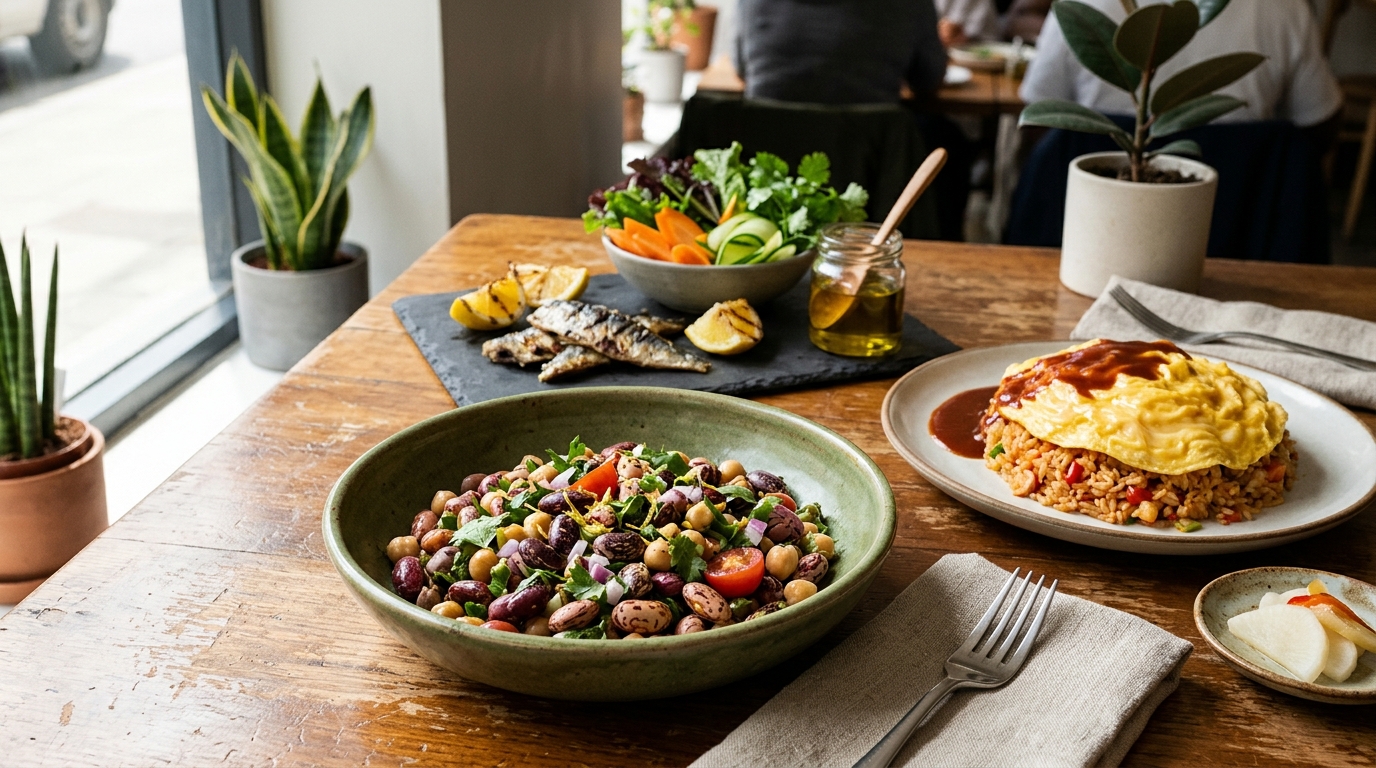
The next big food trends may have less to do with complicated recipes and more to do with how familiar ingredients are being reimagined.
Beans are moving from side dishes to centre-stage meals. Japanese comfort food is finding new audiences beyond specialist restaurants. Meanwhile, the connection between food, wellness and skincare is inspiring a new category of products that sits somewhere between everyday nutrition and beauty.
These are some of the directions highlighted in Whole Foods Market's 2027 food and beverage trend predictions, released in October 2026.
The retailer's annual report identifies eight trends expected to influence grocery shelves, restaurant menus and home kitchens in the year ahead. Among them, three stand out for their potential to shape how people cook, eat and discover new flavours: the growing popularity of beans, Japanese-inspired comfort food and what the report calls "beautrition."
1. Beans Are Becoming the Main Attraction
Beans have long been an affordable and familiar part of diets around the world. But the way food businesses are presenting them is changing.
Rather than treating beans as an accompaniment to meat or rice, restaurants and food brands are increasingly making them the main ingredient in complete meals.
Whole Foods Market describes this movement as The Bean Boom. Its report points to growing interest in butter beans, crispy chickpeas, lentil bowls, heirloom bean stews and snacks made from ingredients such as edamame and lupini beans.
The appeal is understandable. Beans and other legumes provide plant-based protein and dietary fibre, while offering versatile ingredients for different types of cooking.
They can be prepared as soups, salads, stews, spreads, snacks and main dishes. They are also familiar in many food cultures, making them relatively easy to incorporate into existing recipes.
Social media has helped give the category a fresh identity. Dense bean salads, colourful heirloom varieties and creative beans-on-toast combinations have introduced new ways to present an ingredient that many households already know.
For food businesses, this creates opportunities to develop affordable, filling and adaptable meals without relying entirely on meat-based ingredients.
2. Japanese Comfort Food Is Finding a Wider Audience
Japanese cuisine has become increasingly visible internationally, but the next development highlighted in the report is more specific: the growing interest in Japanese comfort food known as yōshoku.
Yōshoku refers to Japanese interpretations of Western-style dishes, adapted to Japanese ingredients, flavours and dining preferences.
Examples include:
- Omurice: A Japanese-style omelette served over seasoned rice.
- Tonkatsu: Breaded and deep-fried pork cutlet, commonly served with sauce and cabbage.
- Japanese curry rice: A comforting curry served with rice.
- Spaghetti Napolitan: A Japanese-style pasta dish prepared with a savoury tomato-based sauce.
- Hambagu: A Japanese hamburger steak, often served with sauce and accompanying sides.
- Milk bread: Soft, slightly sweet Japanese-style bread with a distinctive fluffy texture.
These dishes combine familiar comfort-food formats with Japanese cooking traditions. Their appeal comes from their accessibility, distinctive flavours and satisfying presentation.
Whole Foods Market also points to the growing visibility of Japanese milk bread, katsu sandwiches, curry bread and other Japanese-inspired products in grocery stores.
The trend is interesting because it shows how food culture travels. A dish can begin as a restaurant speciality, gain attention through social media and eventually become a product people can prepare or enjoy at home.
For restaurants and food entrepreneurs, Japanese comfort food also offers room for experimentation, from curry bowls to creative sandwiches and bakery products.
3. Food Is Becoming Part of the Beauty Conversation
One of the more unusual predictions in the report is Beautrition, a term combining beauty and nutrition.
The idea reflects growing consumer interest in the relationship between diet, wellness and appearance. Food brands are exploring products that contain ingredients associated with skin health, including collagen, antioxidants, healthy fats and nutrients found in whole foods.
Examples highlighted by Whole Foods Market include collagen jelly sticks, collagen drinks, olive oil shots, sea moss products and nutrient-focused snacks.
The report also draws attention to everyday foods such as carrots, cabbage, cucumber and tinned fish. Sardines, for example, provide omega-3 fatty acids and vitamin D, while oysters contain zinc and copper.
This trend is helping blur the traditional boundaries between food, supplements and skincare. Products are increasingly being marketed not only around taste or convenience but also around the wellness benefits consumers associate with their ingredients.
However, it is important to separate food marketing from established nutritional evidence. Eating a particular food does not guarantee clearer skin or reverse ageing, and supplements are not automatically necessary for everyone.
A balanced diet supports general health, but specific skin concerns may require advice from qualified healthcare professionals.
4. Familiar Dishes Are Getting Creative Makeovers
Another prediction in Whole Foods Market's report is Dish Reinvention.
The idea is simple: take a familiar dish and present it in a completely different form.
Examples include smash burgers transformed into tacos, birria-inspired ramen, cinnamon rolls reimagined as focaccia and mango sticky rice turned into ice cream.
The attraction lies in combining familiarity with surprise. People recognise the original food, but the new presentation gives them a reason to try it.
Restaurants and food creators can use this approach to develop distinctive menu items without abandoning ingredients and flavours customers already enjoy.
Social media also makes these creations particularly shareable. A familiar dish with an unexpected twist can attract attention through photographs and short videos.
5. Shoppers Are Paying More Attention to Ingredients
Ingredient transparency is another theme expected to influence food choices in 2027.
Whole Foods Market calls this trend Ingredient Minimalism. It describes growing interest in shorter ingredient lists and products that use fewer additives.
The movement is partly connected to consumer conversations about ultra-processed foods and the desire to understand what goes into packaged products.
For manufacturers, this creates pressure to communicate ingredients more clearly and reconsider unnecessarily complicated formulations.
For shoppers, it offers a reason to pay closer attention to food labels rather than relying entirely on packaging claims.
However, a short ingredient list does not automatically make a product healthier. Nutritional quality depends on the ingredients themselves, the quantities used and how the product fits into an overall diet.
6. Bitter Flavours Are Finding Their Place on Menus
Sweet, salty and spicy flavours have traditionally dominated many popular food products. But Whole Foods Market expects more consumers to explore bitter and complex tastes.
Its prediction, Bitter Done Better, includes ingredients such as radicchio, endive, dandelion greens, bitter melon and licorice.
These ingredients are appearing in salads, vegetable dishes, chocolates and drinks.
The trend also reflects interest in more complex flavour combinations, particularly among people who enjoy experimenting with unfamiliar ingredients.
For African food cultures, this is an interesting development. Bitter leaf, bitter melon and other naturally bitter ingredients are already familiar in several traditional dishes. Their wider appreciation could create opportunities to introduce regional ingredients to new audiences.
What These Trends Could Mean for African Food Businesses
Although Whole Foods Market's predictions are based largely on its observations of the US food and grocery market, several of the ideas have relevance beyond that market.
In Nigeria and other African countries, beans and legumes are already everyday ingredients. Foods such as moi moi, akara, beans porridge and bean-based snacks demonstrate how versatile these ingredients can be.
The opportunity is not necessarily to introduce something unfamiliar. It may be to improve presentation, convenience, packaging and product variety.
Food entrepreneurs could explore ready-to-eat bean meals, convenient lentil dishes, creative plant-based snacks and modern versions of familiar recipes.
Japanese comfort food also presents opportunities for restaurants interested in introducing international dishes to local customers. However, successful adaptation requires attention to ingredient availability, pricing and local preferences.
The beauty-and-nutrition category is another area worth watching, but businesses should be careful with health and skincare claims. Products need credible formulations and responsible marketing rather than exaggerated promises.
Ultimately, food trends become commercially meaningful when they meet real consumer needs.
The Bigger Picture: Food Is Becoming More Personal
The predictions for 2027 suggest that the food industry is moving in several directions at once.
Some consumers want affordable whole-food ingredients. Others are looking for new cultural experiences, simpler product labels or meals that fit their wellness priorities.
At the same time, restaurants and manufacturers are finding ways to make familiar foods feel new again.
Whole Foods Market's report is a forecast rather than proof that every trend will become mainstream. Its predictions are based on the retailer's Trends Council, industry experience and observations of consumer preferences, not a representative survey of every market.
Still, the themes offer a useful look at the ideas that food businesses may increasingly explore in the coming year.
From the growing popularity of beans to Japanese comfort food and the connection between nutrition and beauty, one thing is clear: the future of food will be shaped not only by what people eat, but also by the stories, experiences and values behind every meal.
Why Protein-Rich Meals Are Becoming One of the Biggest Food Trends of 2026
Next Dispatch →African Cuisine Is Going Global: Why Pan-African Food Could Be the Next Big Restaurant Trend
Discussion (0)
Technical commentaryLeave a Reply
No comments yet. Be the first to share your thoughts!