Wave of False Bomb Threats Disrupts European Flights, Raising Aviation Security Concerns
A wave of false bomb threats has disrupted dozens of flights across Europe, forcing aircraft diversions, fighter jet escorts and additional airport security checks. Although no explosives were found, the incidents have raised concerns about aviation security, digital threats and the need for stronger cooperation between European countries. Authorities are still investigating who is responsible.
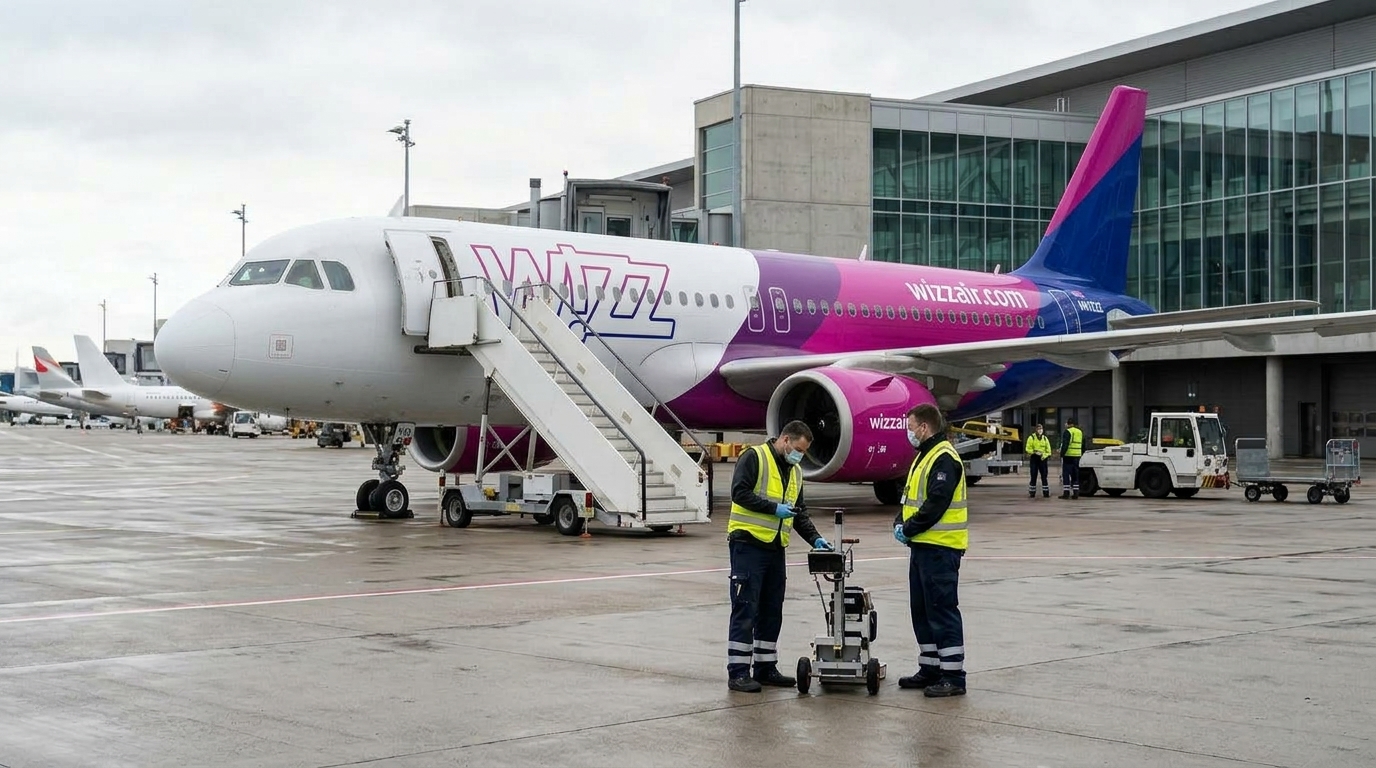
A wave of false bomb threats has disrupted air travel across Europe, forcing airlines to divert aircraft, triggering emergency security checks and prompting renewed concerns about the vulnerability of civilian aviation.
The incidents, reported across several European countries in November 2026, affected dozens of flights. Some aircraft were escorted by fighter jets, while others were diverted to alternative airports for inspection. Although authorities found no explosives, the scale of the disruption has raised questions about how easily malicious threats can interfere with international air travel.
The incidents have also renewed discussions about Europe's ability to coordinate aviation security responses as concerns grow over cyber threats, sabotage and wider geopolitical tensions.
Dozens of Flights Affected Across Europe
The first major wave of incidents affected at least 30 flights across Europe during the first week of November.
According to reports, threats were directed at flights operating between several European countries, including Italy, France, Ireland, Spain, Bulgaria, Poland, Finland and the Czech Republic.
Some aircraft were forced to change their destinations after receiving security alerts. Others were escorted by military aircraft or subjected to additional inspections after landing.
Among the affected services were flights operated by Ryanair, Wizz Air, Aer Lingus, Finnair and LOT Polish Airlines.
One Aer Lingus aircraft travelling from Dublin to Rome was diverted to a French military airbase after a security alert. Other flights were escorted by fighter jets before landing safely.
Airports and security agencies treated the warnings seriously, even though subsequent inspections did not uncover explosives or suspicious devices.
The incidents demonstrate how a threat does not need to involve an actual explosive device to cause significant disruption to aviation operations.
Why False Bomb Threats Are Difficult to Ignore
Airlines and aviation authorities cannot simply dismiss a bomb threat, even when there is little evidence supporting it.
Aircraft operate within a tightly coordinated environment involving pilots, air traffic controllers, airport operators, security agencies and emergency response teams. A credible warning can require immediate decisions about flight diversions, landing arrangements, passenger evacuation and aircraft inspections.
The consequences of ignoring a genuine threat could be catastrophic.
However, responding to repeated false warnings also carries substantial costs. Diverted aircraft consume additional fuel, disrupt schedules and create logistical challenges for airlines and airports. Passengers can face missed connections, extended delays and uncertainty about their journeys.
Aviation security specialists have warned that repeated hoaxes could also create pressure on emergency response systems and undermine public confidence in air travel.
The challenge is finding ways to investigate threats efficiently without compromising established safety procedures.
Who Is Behind the Threats?
One of the biggest unanswered questions is the identity of those responsible.
The threats were reportedly communicated through emails sent to aviation organisations, including airlines and airport operators. Some messages contained details about specific flights, including flight numbers and arrival information.
One message reportedly invoked the name of a Russian ultranationalist movement. However, the use of a group's name does not establish that the organisation was responsible.
European authorities have not publicly identified the perpetrators or established that all the incidents originated from the same source.
Some security experts believe the pattern could reflect a coordinated campaign intended to create disruption. Others have cautioned that copycat actions or unrelated individuals could also explain some of the incidents.
The wider political environment has contributed to concerns about possible hybrid operations, which can involve a combination of cyberattacks, sabotage, disinformation and other activities designed to disrupt public institutions.
Russia has denied involvement in broader allegations of hostile activity against European countries. There is currently no conclusive public evidence establishing that Moscow directed the aviation threats.
Airlines Call for a Coordinated European Response
The growing disruption has prompted calls for European countries to improve cooperation on aviation security.
On November 12, Wizz Air chief executive Jozsef Varadi urged European authorities to coordinate their response to the threats.
The airline said it had received false alerts affecting 14 flights across Europe during the previous week and had diverted two aircraft.
Varadi argued that countries need a more coordinated approach to identifying threats, sharing intelligence and responding to incidents that cross national borders.
His comments highlight a wider challenge for European aviation. Although airports and airlines operate within an interconnected transport network, security responsibilities are divided among individual countries and national authorities.
This can make it difficult to coordinate investigations when threats target flights operating across several jurisdictions.
European officials have also discussed the need for closer cooperation between transport agencies, law enforcement bodies and aviation security specialists.
Could Cybersecurity Become a Bigger Part of Aviation Safety?
The incidents have also drawn attention to the growing relationship between aviation security and cybersecurity.
Modern aviation depends on interconnected digital systems for flight scheduling, passenger information, airport operations, communications and air traffic management.
Threats delivered through email may appear relatively simple, but investigating them can involve digital forensics, account tracing, network analysis and cooperation between authorities in different countries.
Investigators need to establish who created the accounts used to send the messages, who controlled them and whether multiple incidents share a common origin.
These investigations can be complicated by anonymous accounts, international infrastructure and the use of intermediaries.
The broader concern is that digital tools can be used to create physical disruption without directly attacking an aircraft or airport system.
False warnings can trigger expensive emergency responses, interrupt transport networks and create anxiety among passengers.
This makes cybersecurity awareness and information-sharing increasingly important parts of modern aviation risk management.
What Happens Next?
European authorities face two immediate priorities: identifying those responsible for the threats and strengthening cooperation to prevent further disruption.
Airlines will continue to rely on established security procedures when responding to warnings. Airports and law enforcement agencies will also need to improve how they assess, share and investigate threat information.
For passengers, the incidents do not mean that European air travel has become unsafe. The affected aircraft landed safely, and inspections found no explosives. Nevertheless, travellers may experience additional security measures or delays if further credible warnings emerge.
The larger lesson is that aviation security extends beyond protecting aircraft from physical attacks. It also involves protecting the information systems, communication channels and institutional processes that keep international air travel operating.
As Europe investigates the latest wave of false threats, the aviation industry faces another reminder that even a message sent from an unknown email account can create serious consequences across an international transport network.
Nvidia Leadership Crisis Sparks US Congressional Scrutiny Over China Security Concerns
Next Dispatch →Lufthansa Receives First Airbus A350-1000 as Airline Expands Its Long-Haul Fleet
Discussion (0)
Technical commentaryLeave a Reply
No comments yet. Be the first to share your thoughts!