Why More People Are Rediscovering the Joy of Cooking at Home
Home cooking is finding a renewed place in modern lifestyles. From saving money and sharing family meals to experimenting with recipes and enjoying slower weekends, people are rediscovering the satisfaction of preparing food at home.
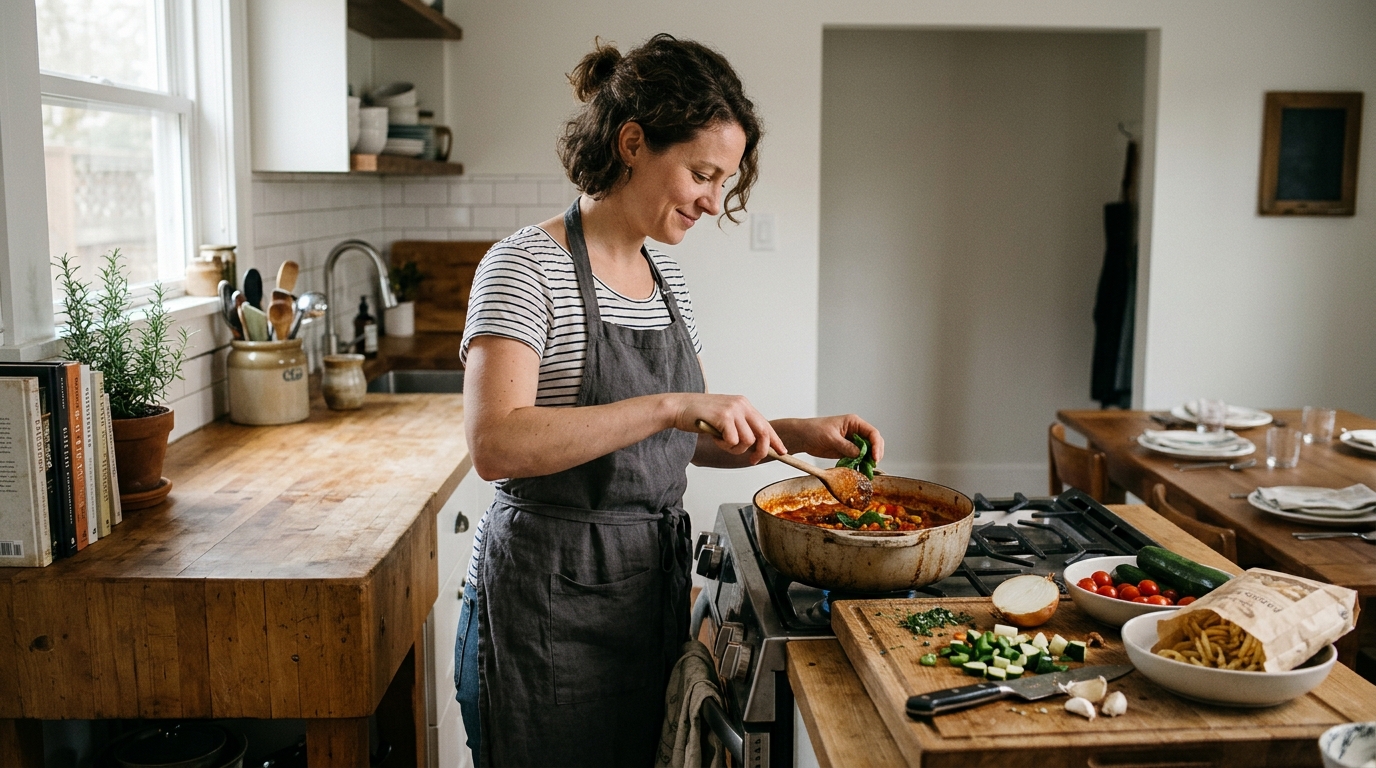
For a long time, eating out and ordering food offered an easy way to escape the demands of preparing meals. But something interesting is happening in the way people think about food and time at home.
Cooking is finding a renewed place in people's routines, not simply as a household responsibility, but as an activity they can enjoy. From experimenting with new recipes to preparing familiar family meals, more people are finding reasons to spend time in the kitchen.
The shift is showing up in consumer research, lifestyle reporting, and online activity. In some markets, people are eating at home more often, while others are turning weekend cooking into a way to relax, connect with loved ones, and take a break from busy schedules.
It suggests that the appeal of a homemade meal goes beyond what is on the plate. For many people, the experience of making it has become just as important.
Home cooking is becoming part of everyday life again
Research from FMI, the Food Industry Association, points to a renewed interest in meals prepared at home among American grocery shoppers.
Its 2026 U.S. Grocery Shopper Trends report found that 44% of shoppers were having more family meals at home than they had a year earlier. Another 35% said they were cooking more often.
The findings also showed that half of shoppers were eating fewer restaurant meals and ordering less takeout and delivery for their families.
Affordability is an important part of this change. When food prices and household expenses put pressure on budgets, preparing meals at home can give people more control over what they spend.
However, the reasons are not entirely financial. Shoppers also associate homemade meals with healthier food choices, family connection, and the opportunity to enjoy meals together.
This suggests that home cooking is serving several purposes at once. It can help households manage their spending while creating more opportunities to share time around the table.
Cooking is becoming a way to slow down
One of the more interesting developments is the way people are treating cooking as a leisure activity.
A survey of 2,000 UK adults, reported by ManchesterWorld in November 2026, found that six in ten had swapped nights out in bars and clubs for evenings at home cooking.
The survey also found that 73% looked forward to spending their weekends at home, while 56% said they were doing so more often than before.
For some respondents, the attraction was having more time to enjoy the process. Among those who spent longer cooking at weekends, 63% said they had more time, while 42% appreciated not having to rush.
Cooking can feel very different when there is no immediate pressure to get dinner ready after a long working day. A person can try a new recipe, prepare ingredients carefully, listen to music, or simply enjoy making something they have wanted to try.
It turns an ordinary task into an activity with its own sense of satisfaction.
Social media is giving homemade food a new audience
The renewed interest in home cooking is also visible online.
Food videos, recipe tutorials, kitchen transformations, homemade desserts, and creative meal preparations have become familiar parts of social media. People are not only looking for recipes; they are sharing what they make and discovering new ways to approach familiar ingredients.
HelloFresh's 2025-2026 State of Home Cooking report found that 58% of surveyed American adults had felt so proud of something they cooked that they posted pictures of it online.
The report also found that 69% had used AI to get dinner on the table or were open to the idea.
That points to an interesting relationship between traditional cooking and modern technology. People can use digital tools to discover recipes, plan meals, adjust ingredients, or find alternatives when they are missing something.
The technology may help with the preparation, but the finished meal remains a personal creation.
A return to homemade food does not mean abandoning convenience
It would be misleading to suggest that everyone is suddenly spending hours preparing meals from scratch.
Modern lifestyles still demand convenience. Long working hours, commuting, family responsibilities, and limited time can make elaborate cooking impractical.
Research from Circana highlights this tension. Its 2026 Eating Patterns in America report found that 54% of dinners were either quick meal fixes or required no preparation.
People are therefore balancing different approaches. Some meals are prepared entirely at home, others use ready-to-eat ingredients, and some are ordered when time is limited.
The renewed interest in cooking is not necessarily about rejecting restaurants, food delivery, or prepared meals. It is about making more room for homemade food when people have the time and motivation.
For food businesses and retailers, this creates opportunities to serve consumers who want convenience without giving up the satisfaction of preparing their own meals.
What this trend could mean for African households
The conversation has particular relevance in African households, where homemade meals and shared food traditions already play an important role in everyday life.
In Nigeria, for example, dishes such as jollof rice, egusi soup, beans, yam porridge, and other familiar meals are part of daily food culture. Preparing them at home is not a new lifestyle trend.
What is changing is the way cooking can be experienced and shared.
Recipe creators are finding audiences online, younger cooks are experimenting with traditional ingredients, and home cooks can combine familiar dishes with new techniques and presentation styles.
There is also an opportunity to make traditional recipes more accessible to people who are learning to cook independently. Short tutorials, practical ingredient guides, and family recipes can help preserve food knowledge while encouraging experimentation.
The broader lesson is that a renewed interest in homemade food does not have to mean returning to old routines exactly as they were. It can also mean finding new ways to enjoy familiar traditions.
The simple pleasure of making something yourself
Not every lifestyle change needs to involve a new product, expensive experience, or complicated routine.
Sometimes, it is about rediscovering an activity that has always been available.
Cooking offers a combination of creativity, practicality, and connection. It gives people the chance to decide what goes into their food, learn a skill, share something with others, and enjoy the satisfaction of making a meal themselves.
That does not mean every evening needs to become a cooking project. Convenience still has its place, and not everyone enjoys spending time in the kitchen.
But as more people look for meaningful ways to spend their time at home, the homemade meal is finding a renewed place in modern lifestyle culture.
Perhaps the appeal is not simply that people want to eat differently. They also want to enjoy the process of making something worth sharing.
Gen Z Is Turning to Entrepreneurship as AI Reshapes Traditional Career Paths
Next Dispatch →Why More People Are Choosing Shared Wellness Experiences Over Traditional Nights Out
Discussion (0)
Technical commentaryLeave a Reply
No comments yet. Be the first to share your thoughts!