Why More People Are Choosing Shared Wellness Experiences Over Traditional Nights Out
From group runs and communal sauna sessions to sober dance events, social wellness is changing how people connect and spend their free time. The growing movement combines fitness, relaxation, entertainment, and community in ways that offer an alternative to traditional social activities.
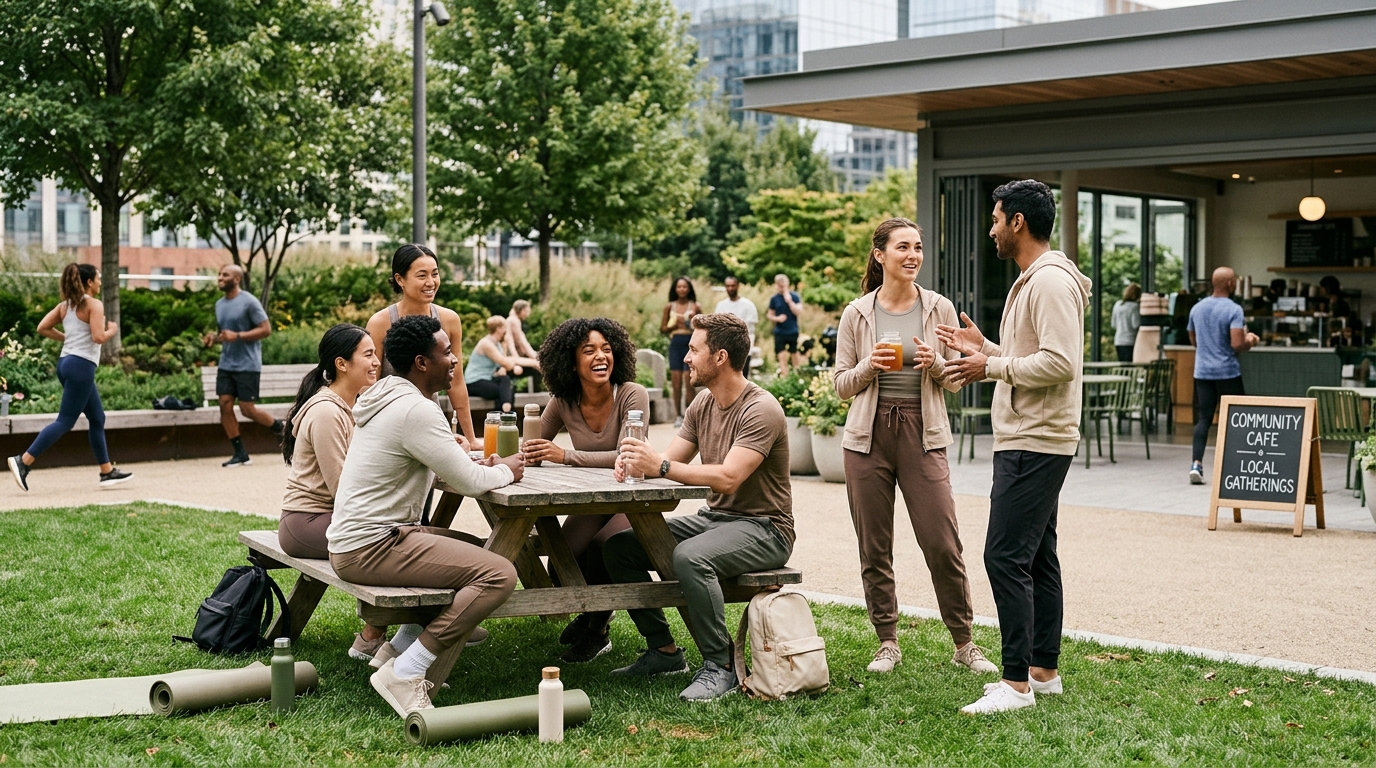
For many people, the appeal of these activities is not about giving up nightlife altogether. It is about having more choices for how to spend time with friends, meet new people, and enjoy a break from everyday routines.
Wellness is becoming more social
Wellness has traditionally been presented as a personal activity. People went to the gym, followed exercise routines, meditated, or visited spas to improve their individual wellbeing.
That approach is expanding.
A November 2026 report from McKinsey describes how consumers are increasingly combining wellness with relationships and community. Its research across more than 10,000 consumers in China, Germany, the United Kingdom, and the United States found that two in three US consumers prioritised wellness more than they had a year earlier.
The report also highlights a particularly interesting development: some younger consumers are trading Friday nights out for sauna sessions with their gym friends.
This reflects a broader change in how wellness is being experienced. Rather than treating it as something people do alone, consumers are finding ways to make it part of their social lives.
From group runs to sauna gatherings
The movement is taking different forms depending on the location and interests of the people involved.
Running clubs are one example. What might once have been an individual exercise routine is becoming a regular social gathering. Participants meet at a designated location, run together, and often stay afterwards for coffee or conversation.
Sauna and bathhouse culture is another example. Modern wellness venues are increasingly offering communal spaces where people can enjoy sauna sessions, cold-water experiences, relaxation areas, and guided activities.
Some establishments are also introducing sound experiences, breathwork sessions, and other group programmes.
Fitness communities are following a similar direction. Group training, cycling clubs, Pilates classes, and team-based fitness competitions offer structured activities where people can exercise while developing friendships.
The appeal is not necessarily the intensity of the activity. It is the opportunity to participate alongside others.
Wellness events are becoming a new form of entertainment
One of the most interesting developments is the emergence of wellness events that borrow elements from traditional nightlife and music festivals.
The Global Wellness Summit identified this movement as the Festivalization of Wellness in its 2026 wellness trends report.
These experiences include sober morning dance events, music-led movement sessions, group gatherings, and multi-day wellness festivals. Some combine music, dancing, creative expression, and physical activities in environments designed around participation rather than competition.
The idea is to create an atmosphere where people can enjoy the energy of a social event without necessarily centring the experience on alcohol or late-night entertainment.
The trend is also reflected in event data. According to the Global Wellness Institute's reporting on wellness trends, Eventbrite recorded a 478% year-over-year increase in coffee-clubbing events in 2025. These are daytime dance gatherings often hosted in coffee shops, bakeries, and other social venues.
It is an interesting example of how familiar social activities are being reimagined. A coffee shop can become a dance venue, while a fitness gathering can become a regular social event.
Why community matters in fitness
The growth of social wellness is not only about entertainment. Community can also help people maintain healthy routines.
ABC Fitness's Mid-Year 2026 Wellness Watch Report found that 67% of surveyed fitness members considered community the biggest driver of motivation and accountability in their fitness routines.
Another 61% said community contributed to better mental and emotional wellbeing, while 57% of active consumers said their fitness community significantly influenced their long-term commitment to an active lifestyle.
These findings suggest that people may find it easier to maintain activities when they have others to share the experience with.
A person who struggles to exercise consistently alone might be more motivated to attend a weekly group run. Someone who finds traditional gym routines repetitive may enjoy a class where the social experience is just as important as the workout.
The relationships built around these activities can become a reason to return.
Why people are looking beyond traditional nightlife
There is no single explanation for the growing interest in social wellness.
For some people, it is about finding alternatives to alcohol-centred socialising. Others want activities that combine relaxation, movement, and entertainment. Some simply enjoy meeting people in environments where the main activity gives everyone a shared experience.
Digital life may also play a role. With so much communication happening through screens, face-to-face activities can offer a different kind of connection.
The Global Wellness Summit's 2026 report describes a growing desire for more human, social, and emotionally engaging wellness experiences as a response to digital overload and excessive self-optimisation.
That does not mean traditional nightlife is disappearing. Restaurants, clubs, concerts, and parties remain important parts of social life. Instead, social wellness is adding another category of experiences for people who want something different.
The business opportunities behind social wellness
The trend is also creating opportunities for businesses in hospitality, fitness, recreation, and leisure.
Gyms and fitness studios can develop community-based programmes that encourage people to return regularly. Hotels and resorts can introduce group wellness experiences for guests. Cafés can host morning social events, while spas and bathhouses can offer guided group sessions.
Event organisers can also explore activities that combine music, movement, food, and relaxation.
The opportunity is not limited to expensive wellness facilities. Community running groups, outdoor fitness sessions, walking clubs, and accessible group activities can create meaningful social experiences without requiring elaborate infrastructure.
For businesses, the important consideration is understanding what people value: an enjoyable activity, a welcoming environment, and an opportunity to connect with others.
What this could look like in African cities
The idea has interesting possibilities in African cities, where social activities already play a major role in everyday life.
In Lagos, for example, organised fitness communities, weekend walks, outdoor activities, dance sessions, and group recreational events could bring people together around shared interests.
There is also room for businesses to create more structured experiences around existing social habits. A café could organise a morning gathering after a group walk. A fitness studio could host beginner-friendly community sessions. A hospitality venue could offer wellness-focused weekend experiences.
The concept does not need to copy expensive international wellness clubs. It can be adapted to local interests, available facilities, cultural preferences, and different budgets.
Accessibility will matter. If social wellness is to reach more people, it needs to offer experiences that are enjoyable without making participation unnecessarily expensive.
A different way to spend time together
The growing interest in social wellness reflects a simple idea: people want more from their leisure time than an activity to fill the evening.
They want opportunities to connect, enjoy themselves, discover new interests, and feel part of a community.
Sometimes that might mean a group run followed by breakfast. On another occasion, it could be a sauna session, a dance gathering, or an afternoon fitness class with friends.
Traditional nights out are not going away. But the definition of a good social experience is expanding.
And for an increasing number of people, spending time together and taking care of themselves no longer have to be separate activities.
Why More People Are Rediscovering the Joy of Cooking at Home
Next Dispatch →Investors Are Turning to Reddit for Market Signals. Can Online Conversations Predict Stock Movements?
Discussion (0)
Technical commentaryLeave a Reply
No comments yet. Be the first to share your thoughts!