Smart Home Makeovers: DIY Ways to Make Your Home Smarter Without a Major Renovation
Smart home technology is making everyday living more convenient. Discover five practical DIY upgrades that can improve your home's lighting, security and energy management without requiring a major renovation.
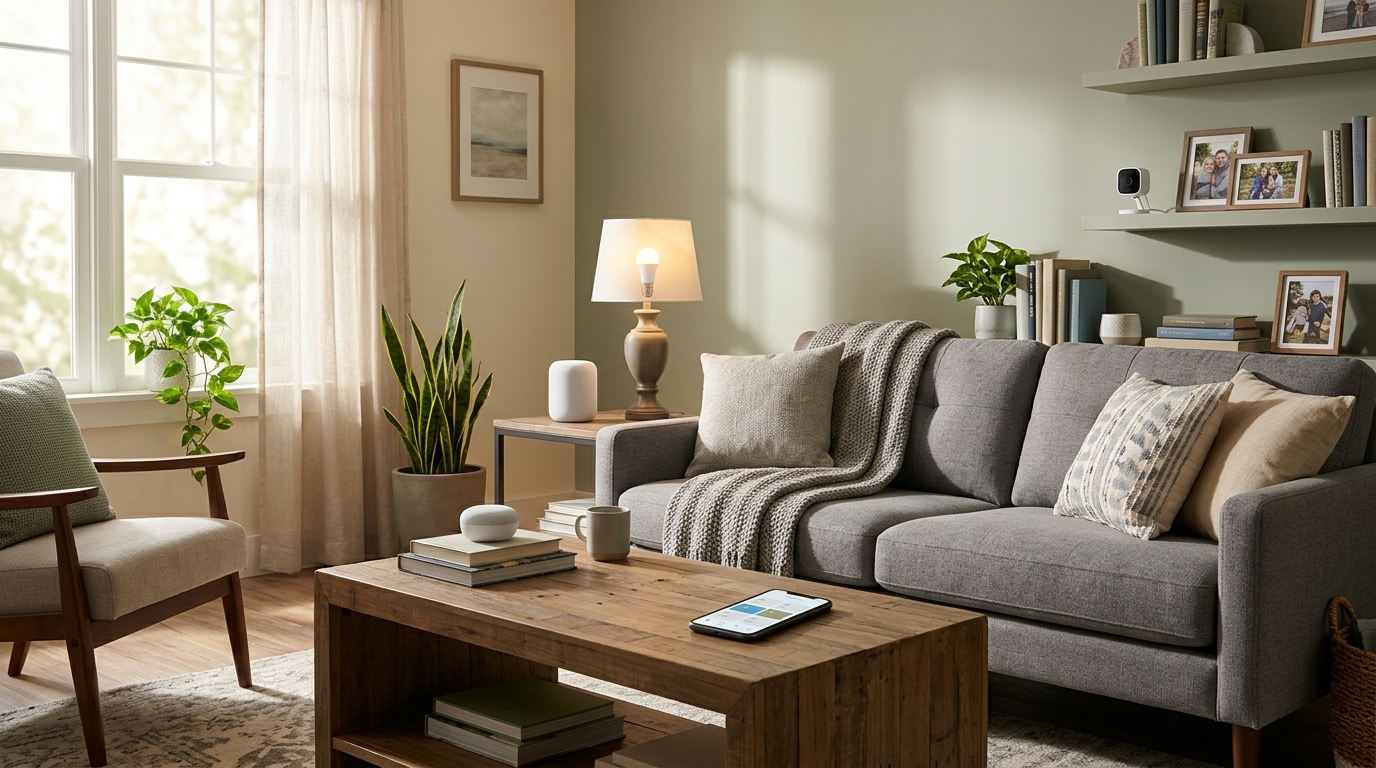
Smart home technology is no longer limited to expensive houses or complicated automation systems. Today, homeowners can introduce useful technology into their living spaces with relatively simple upgrades, making everyday activities more convenient, improving security and gaining better control over household energy use.
From controlling lights with a smartphone to receiving security alerts while away from home, these improvements are becoming easier to explore without undertaking a major renovation.
The best part is that you do not have to transform your entire home at once. A few carefully selected devices can make a noticeable difference.
Why Smart Home Improvements Are Becoming Popular
A smart home uses internet-connected devices that can be monitored, controlled or automated through a smartphone, voice assistant or central control system.
For example, you might switch off a light remotely, receive a notification when someone approaches your entrance or schedule compatible appliances to operate at specific times.
For many homeowners, the attraction is not simply having the latest technology. It is finding practical ways to make their homes more comfortable, secure and efficient.
Vivint's November 2026 How We Home Report, based on American homeowners, found that 78% owned at least one smart home device, while 61% had purchased one within the previous year. Security and energy management were among the leading motivations.
Although these figures reflect the US market rather than global adoption, they illustrate the growing interest in technology that makes everyday home management easier.
5 DIY Smart Home Upgrades You Can Start With
You do not need an expensive automation system to begin. The following upgrades offer practical starting points for homeowners who want to introduce smart technology gradually.
1. Install Smart Lighting
One of the easiest ways to introduce smart technology into a home is by upgrading ordinary light bulbs.
Smart bulbs allow users to control compatible lighting through a mobile application. Depending on the model, you can adjust brightness, change colours, create schedules and sometimes control the lights using voice commands.
Imagine being able to switch off your bedroom lights from your phone or automatically turn on your entrance lighting in the evening.
Many smart bulbs fit existing compatible light fittings, making this a relatively simple upgrade that does not usually require extensive electrical work.
2. Use Smart Plugs for Everyday Appliances
Smart plugs make selected ordinary electrical appliances remotely controllable.
Once connected to a compatible socket and configured through the manufacturer's application, a smart plug can allow you to switch an appliance on or off remotely or create operating schedules.
For example, you could schedule a compatible table lamp to switch off at bedtime without having to remember to do it manually.
However, smart plugs are not suitable for every appliance. Always check the device's power rating and the electrical requirements of the appliance. High-power equipment such as electric cookers, water heaters and air conditioners should only be connected through equipment specifically rated for that purpose.
3. Add Smart Security Cameras
Home security is another area where connected devices can make a practical difference.
Smart security cameras allow homeowners to monitor selected areas of their properties through mobile applications. Many models offer features such as motion detection, night vision, two-way audio and remote notifications.
Some cameras can also store recordings locally, while others rely on cloud storage or paid subscriptions.
Before purchasing one, consider its recording options, internet requirements, privacy settings and performance when your internet connection is unavailable.
A well-positioned camera can provide an additional layer of awareness without requiring a complete home security renovation.
4. Automate Lighting with Motion Sensors
Motion sensors can make lighting more convenient by automatically activating compatible lights when movement is detected.
They can be particularly useful in hallways, staircases, bathrooms, garages and outdoor entrances.
For example, instead of searching for a light switch when entering a dark corridor, a compatible motion sensor can activate the lighting automatically.
Some sensors can also be connected to other smart devices, allowing homeowners to create simple automation routines based on movement, time or other conditions.
5. Monitor Household Electricity Consumption
Managing electricity consumption is becoming increasingly important for households looking to control their energy expenses.
Smart energy monitors can provide information about how much electricity selected appliances or electrical circuits consume. Depending on the system, users may be able to review consumption patterns through a mobile application or dedicated display.
This can help identify appliances that consume more electricity than expected and provide a clearer picture of household energy usage.
For homes that use generators, inverters or solar installations, compatible monitoring systems may also help track electricity consumption and power availability.
However, equipment selection depends on the property's electrical installation. Devices involving fixed wiring or distribution boards should be installed by qualified professionals.
What to Consider Before Buying Smart Home Devices
Although smart home technology can make everyday living easier, buying several devices without checking their compatibility can create unnecessary complications.
A smart bulb, security camera and smart plug may all work independently but require different applications and control systems.
Before investing in a smart home setup, consider the following:
Device compatibility: Check whether your chosen products work with the same platform or support compatible smart home standards.
Internet connectivity: Some devices depend on a stable internet connection, while others can perform certain functions locally. Understand what happens when your connection is interrupted.
Security updates: Choose reputable manufacturers that provide software and security updates for their products.
Privacy: Review how devices collect, store and share information, particularly cameras and other devices that record activity inside or around your home.
Manual control: Important functions should remain accessible if an application, internet connection or connected device stops working.
Installation requirements: Some upgrades are straightforward, while others involve electrical wiring and should be handled by qualified professionals.
A smart home should make life easier, not introduce new problems.
Are Smart Home Upgrades Practical for Nigerian Homes?
Smart home technology also presents interesting opportunities for Nigerian households.
Many homes rely on a combination of public electricity supply, generators, inverters and solar installations. This makes energy monitoring, remote device management and reliable security systems particularly relevant.
However, choosing suitable equipment requires some additional consideration.
Homeowners should check device voltage and power ratings, surge protection requirements, Wi-Fi reliability and compatibility with their backup power arrangements.
It is also worth starting with devices that solve specific problems rather than attempting to automate everything immediately.
For instance, a smart bulb, a compatible plug for a low-power appliance or a properly installed security camera could provide a practical introduction to home automation.
More complicated installations involving electrical switches, distribution boards, gates or fixed wiring should be handled by qualified technicians.
The Future of Home Improvement Is Becoming More Connected
Home improvement is gradually expanding beyond traditional renovations, furniture upgrades and interior decoration. Technology now offers homeowners additional ways to improve how their existing spaces function.
Smart lighting can make everyday routines more convenient. Connected cameras can improve security awareness. Motion sensors can reduce unnecessary manual switching, while energy monitoring systems can help households better understand their electricity consumption.
But having the most expensive devices does not necessarily create the best smart home.
The most effective setup is one built around genuine household needs, compatible equipment and reliable security practices.
You can start small, introduce upgrades as needed and gradually build a home that works better for the people living in it.
Sometimes, making your home smarter does not require rebuilding it. It simply requires choosing the right technology for the way you live.
Banks Are Making Record Profits. Is Artificial Intelligence the Next Big Advantage in Banking?
Next Dispatch →Backyard Garden Makeovers: DIY Ways to Turn Small Outdoor Spaces into Beautiful Green Retreats
Discussion (0)
Technical commentaryLeave a Reply
No comments yet. Be the first to share your thoughts!